
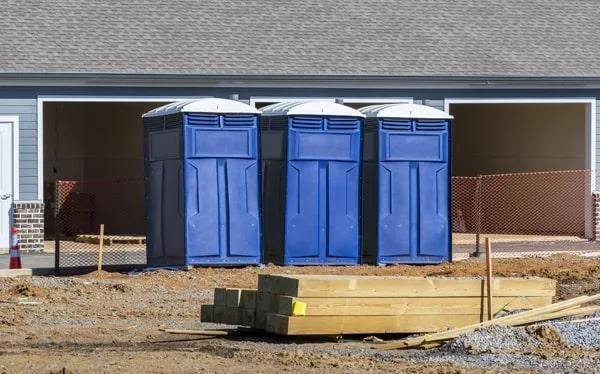
Begin with the functions the crew needs
A standard portable toilet is a self-contained cabin with a toilet and holding tank; waste is removed as part of the provider's service arrangement. It is useful when indoor bathrooms are unavailable or outside the crew's permitted access. A sink should not be assumed to come with the cabin.
Discuss separate washing and any accessible equipment needed by workers or visitors. Identify the actual proposed units and their features. The restroom cabin, an accessible approach and a place to wash each serve a different function, even if they are ordered together.
Describe the busiest shift, not only the total workforce
Provide the largest number of people likely to be present together, shift overlap, breaks and how work is distributed. A project with separated work zones can need a different layout from a compact site with the same headcount. Include visitors who cannot use facilities inside the active work area.
Peak use helps assess the equipment arrangement, while continuing use and rental duration also affect tank servicing and replenishment. More cabins do not remove the need for care, and a frequent service visit does not solve an inconvenient or inaccessible location.
Choose positions that can stay usable
Keep user approaches outside material handling, plant movements and other active hazards identified by the site lead. Discuss entrances, gates, firm standing surfaces, overhead obstructions and room for the provider's vehicle. The occupied cabin area is not the same as the handling area.
Agree how site entry will be coordinated and who can keep the service route available. Consider planned fencing, deliveries or phased work before choosing the first position. A convenient place on the empty site may become the wrong place once work progresses.
Review care when the work pattern changes
Define the agreed cleaning, tank service and consumable replenishment, together with the windows when visits can occur. Have the site contact check supplies and usability between visits and report a blocked route, damage or unexpected increase in use.
If a new crew joins, shifts lengthen or a work zone moves, discuss whether the equipment and service pattern still fit. Do not keep the initial arrangement unchanged simply because the original rental period has not ended. Coordinate any move through the provider.
Put the project period and final visit in the quote
Request a clear equipment list, quantities, delivery and pickup arrangements, hire window, care and supplies. Explain expected phases without treating them as guaranteed dates. Ask how extensions, revised service or a changed location would be handled.
Before collection, confirm the current entrance, contact and unobstructed approach. The project team may have left or secured the site by then, so the removal visit needs an access plan of its own.
Questions before you book
Which crew number should I give if several shifts work on site?
Provide the shift pattern, overlap and largest simultaneous presence, as well as the whole project period. Explain any separate work zones so the equipment can be assessed against actual use.
Does a standard cabin also provide handwashing?
Not necessarily. Confirm the unit's features and specify a separate washing arrangement where needed, including water, supplies and maintenance.
Should the service schedule stay the same when the project grows?
Review it. More users or longer shifts can change waste and supply demands, even if the units remain in the same place. Discuss equipment and care together.