
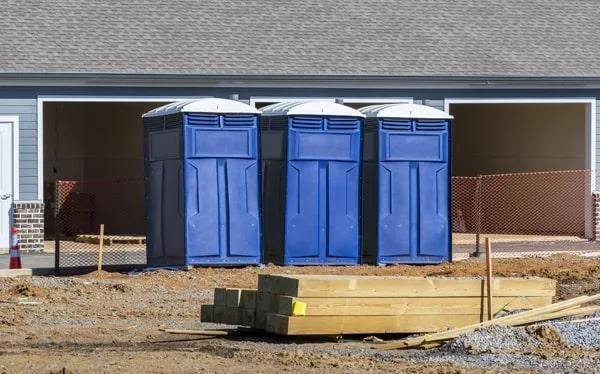
Know what the equipment does—and what checks do not do
A tank-based portable toilet retains waste for provider servicing. Separate handwashing equipment may also need water and consumables maintained under its agreed care plan. If you are still selecting the equipment mix, use the construction rental guide before defining daily responsibilities.
Checking a unit does not replace tank removal, cleaning or the provider's maintenance work. Do not empty waste, add unapproved chemicals or attempt equipment repairs. Make sure the site contact knows how to report a problem and which tasks belong to the agreed service.
Check usability before a small problem spreads
Look for a clear entrance, usable door area, supplies and any visible damage or instability. Check washing supplies where stations are included. Report an unusable unit promptly and direct users away from unsafe equipment; do not leave them to discover the problem during a busy break.
If supplies are disappearing faster than expected or the units are receiving more use, tell the rental team. The remedy may involve a change in care or equipment rather than repeating the same shortfall until the next scheduled visit. Do not invent a refill method or substitute products without agreed instructions.
Watch the surroundings as well as the cabin
Keep the pedestrian route open without forcing workers through a loading lane. Separately maintain the authorized approach for the service vehicle. A clear path on foot does not prove a truck can reach the equipment, and a truck entrance does not make a suitable user route.
Review new fencing, excavation, stored materials, weather-affected ground and changes in crew location. Act before they block doors or isolate the units. Confirm revised placement with the provider and property representative instead of having workers drag or lift a cabin to another corner.
Make extensions and pickup deliberate
If work continues beyond the agreed hire, request an extension before the arrangement expires and confirm care and billing terms. If the units are no longer needed, follow the agreed pickup-request process; an empty site is not itself notice that collection has been arranged.
Give the current gate instructions and receiving contact for removal, especially after the contractor demobilizes. Clear parked vehicles, materials and temporary barriers from the agreed approach. Delivery, cleaning, consumables, additional handling and removal should be understood in the quote so a changed plan can be discussed clearly.
Questions before you book
Who should monitor the facilities between cleaning visits?
Name a site contact who can check access, usability and supplies and report problems. These checks complement the provider's agreed cleaning and tank-service duties.
Can workers move a cabin when materials need the space?
Coordinate a relocation with the provider first. The new position, handling method, surface and service approach need review; do not drag or lift the unit as an improvised site task.
Will equipment be collected automatically when the crew leaves?
Use the pickup process agreed for the rental and confirm access for the visit. Do not assume that leaving the site or finishing work communicates a collection request.