
Identify the boundary before scheduling equipment
The City's right-of-way application lists dumpsters, parking associated with a permitted project and staging of construction or landscape vehicles among the uses it addresses. It requests plans or maps and commencement and completion scheduling for the proposed occupancy.
That form is not a determination that every private-site placement needs the same permit, nor is a completed application an approval. Show the proposed position and vehicle activity to the responsible property contact and resolve any right-of-way use with the City. Do not rely on an informal assumption that an open roadside strip belongs to the project.
Keep sanitation and debris handling on separate plans
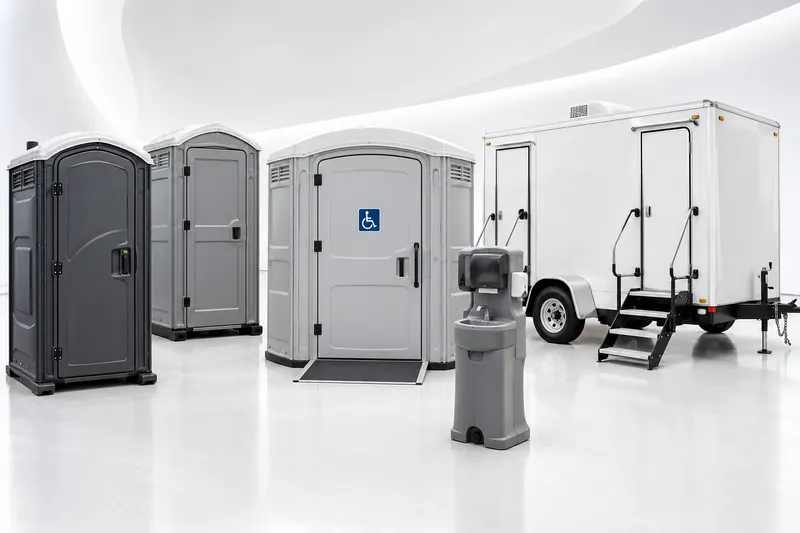
For the crew, a standard portable toilet provides a cabin with waste retained in a tank for servicing. Explain the people and shifts using it, the project period and the indoor facilities they may use. Include accessible needs and washing provision rather than treating a toilet cabin as a complete hygiene setup.
A dumpster supports a different task: storing accepted project debris until collection. Its loading space and truck approach should not become the route workers must use to reach the toilets. Describe materials and loading activity separately from the restroom request, even when both services are wanted at the same property.
Leave room for the site to change
Construction fencing, deliveries and material stacks can close a previously workable route. Establish the permitted entrances, surfaces, overhead clearance and receiving contact before setup. Plan pedestrian access to the toilets separately from vehicle access for delivery, tank service or container removal.
If a phase change would displace equipment or require more public-space staging, review it before the move. A route suitable for a sanitation visit is not automatically suitable for a roll-off truck. Coordinate equipment handling with the relevant provider instead of directing either vehicle into an unassessed area.
Agree care and collection for each service
Toilet care includes the agreed waste removal, cleaning and supply replenishment. Keep the site contact responsible for reporting an unusable unit, low supplies or blocked access. For washing equipment, identify who maintains water and consumables and how used water is handled.
Container terms instead need accepted materials, loading instructions, disposal or weight provisions and collection arrangements. Ask the quote to distinguish equipment, hire period, transport, care and removal for each request. Coordinate those dates with actual permission and the site's working schedule; approval of one activity does not settle the others.
Questions before you book
Does the City form apply to every portable toilet on private land?
The reviewed form concerns use and occupancy of the public right-of-way. It does not determine the permission needed for every private placement. Identify the exact boundary and proposed use before deciding which approval applies.
Can the dumpster loading area double as the toilet approach?
Avoid a layout that sends users into debris loading or truck movements. Review separate pedestrian and provider approaches for the actual equipment and site.
What if the project needs longer roadside staging?
Review the changed occupancy with the responsible authority and coordinate the revised schedule with the provider. Do not assume the original permission or hire period extends automatically.